Yellow Flowers
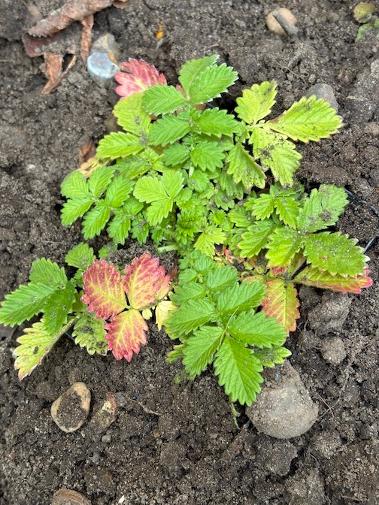
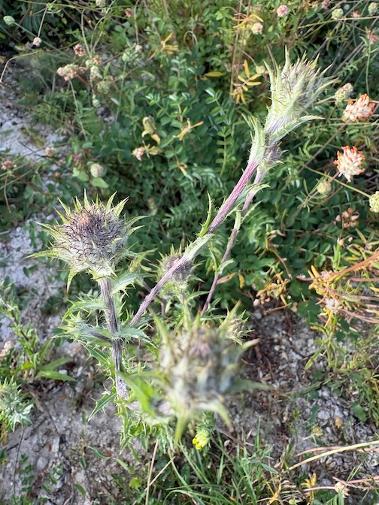
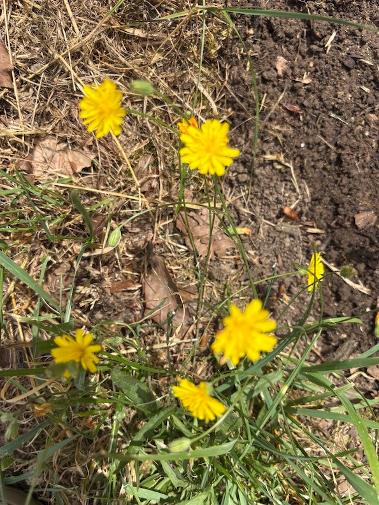
Coltsfoot (Tussilago)
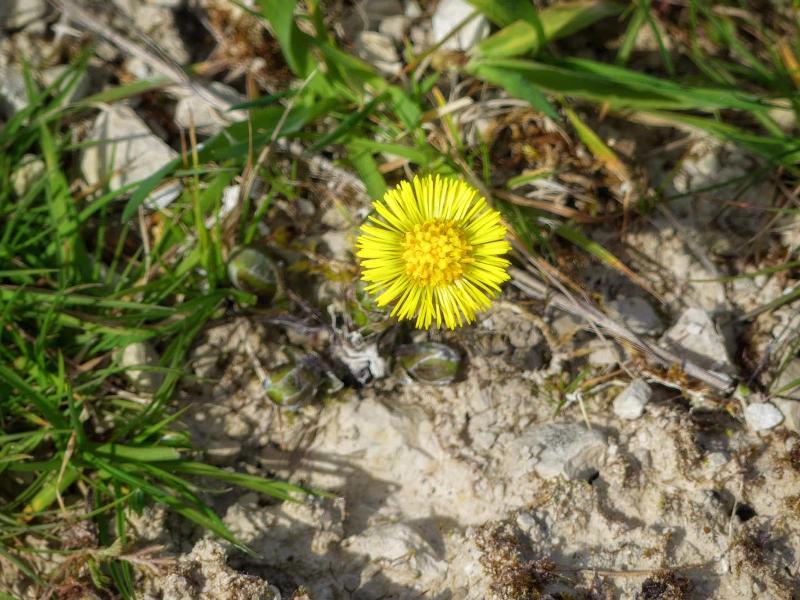
Coltsfoot is vital for UK wildlife. It is one of the first native wildflowers to bloom each year. Appearing between February and April, its sun-yellow flowers provide an essential source of nectar and pollen for emerging queen bumblebees, honeybees, hoverflies and butterflies after hibernation. It gets its name from the shape of its leaves which resemble hoof prints.
Cowslip (Primula veris)
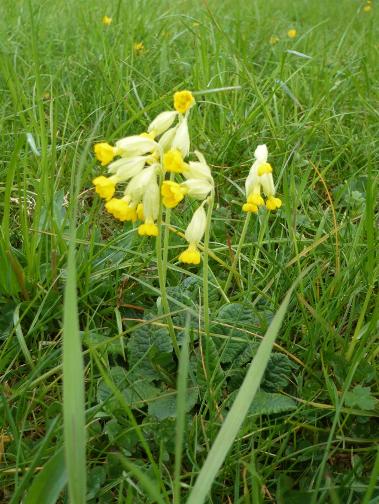
Because they bloom early in Spring, Cowslip flowers provide an essential early source of nectar for foraging bees, beetles and butterflies like the Brimstone. They are the primary food source for the caterpillars of the Duke of Burgundy butterfly and various polyphageous moths, including the rare Lunar Yellow Underwing, rely on Cowslip foliage to feed their caterpillars.
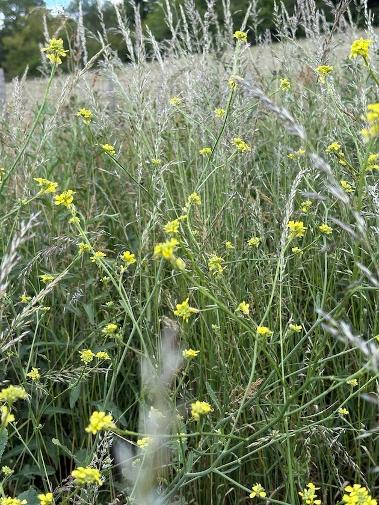
Orange-tip, Small White and Green-veined White butterflies. While most caterpillars eat leaves, Orange tip caterpillars uniquely feed on the developing flowers and seed pods. Hedge Mustard’s small yellow flowers bloom from May to October, providing a steady source of nectar for bees and other beneficial insects.
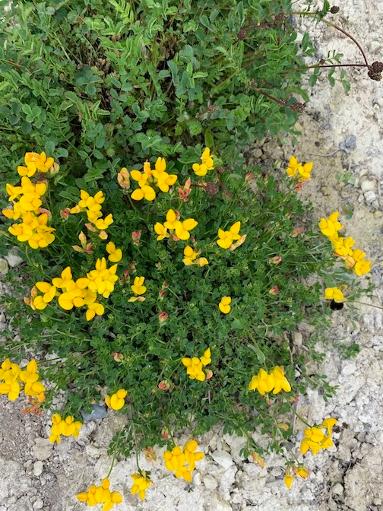
Horseshoe Vetch (Hippocrepis comosa)
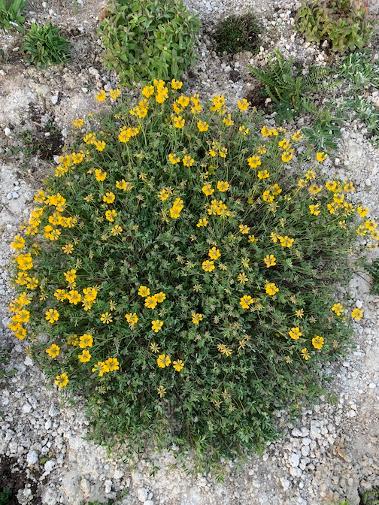
This is the sole larval foodplant for the Chalkhill Blue and Adonis Blue butterflies. Without this specific vetch these endangered butterflies would become extinct. The caterpillars of the Dinghy Skipper also utilise this plant as a food source. The bright yellow pea-like flowers (which bloom from May to July) provide an early-summer nectar source for bees, butterflies and other pollinating insects. Its seed pots curl and resemble a string of horseshoes.
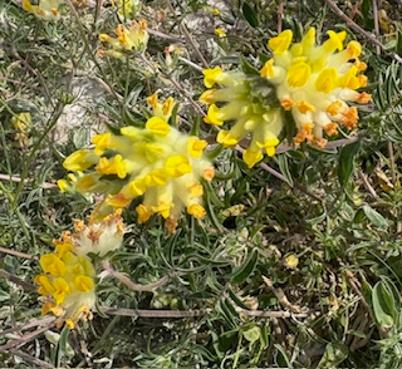
Kidney Vetch is the sole foodplant for the caterpillars of the rare Small Blue butterfly, so it is essential for the survival of this species. While the Vetch moth’s caterpillars are the main moth consumer, the larvae of the Belted Beauty, Six-belted Clearwing and Marbled Clover moths are also known to utilise Kidney Vetch. The yellow (and occasionally red or orange) pea-like flowers are rich in nectar and pollen and attract bumblebees, solitary bees, honeybees and beetles.
Lady’s Bedstraw (Gallium verum)
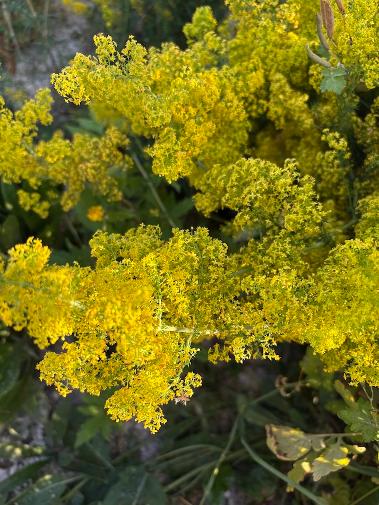
The honey-scented flowers are a magnet for bumblebees, honeybees and day-flying butterflies.
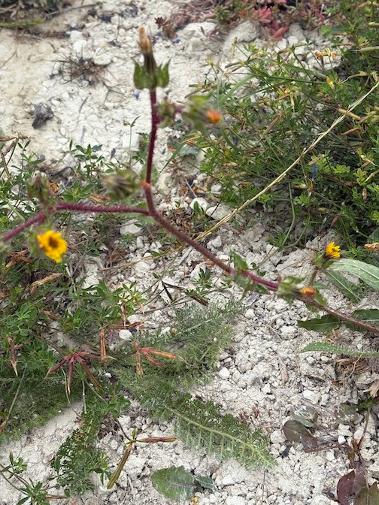
Mouse-ear Hawkweed (Hieracium pilosella)
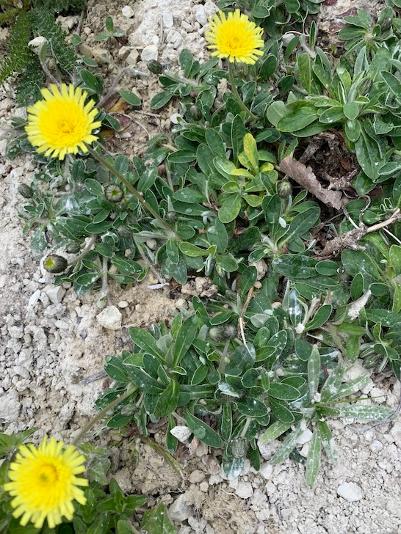
The caterpillars of the Downland Plume Moth (a rare conservation species) are entirely dependent on Mouse-ear Hawkweed as a host plant, feeding exclusively on its leaves and roots and the beautifully patterned Four-spotted Straw Moth’s caterpillars feed directly inside the roots and base of the Hawkweed rosettes..
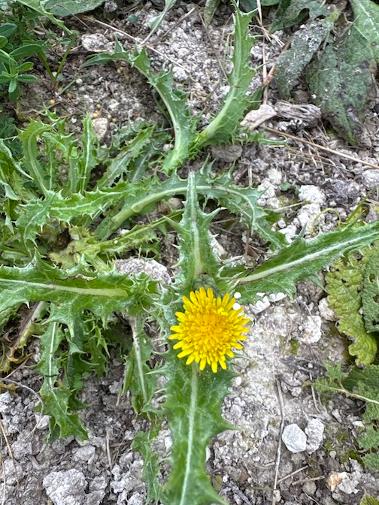
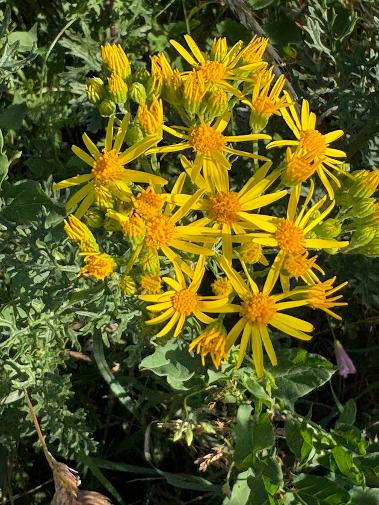
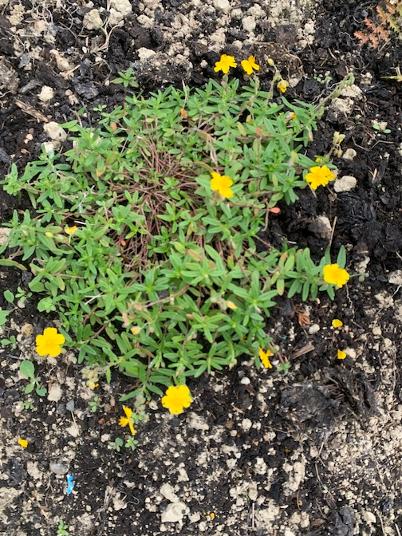
flowers only open in sunshine and close at night.
Rough Hawkbit (Leontodan hispidus)
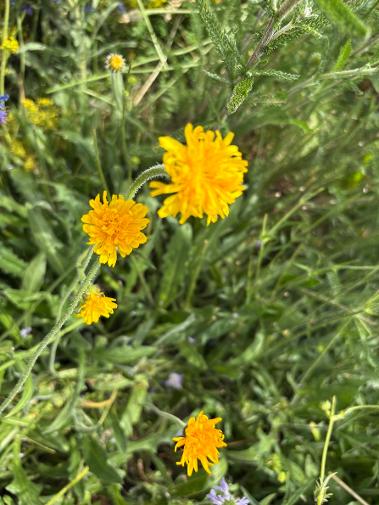
Studies indicate that Rough Hawkbit ranks exceptionally high for nectar productivity and its bright yellow, dandelion-like blooms attract a wide variety of bees, butterflies and moths throughout the summer. Because it blooms from late spring into autumn, Rough Hawkbit sustains late-flying species like the Small Tortoiseshell butterfly.
St.John’s Wort (Hypericum perforatum)
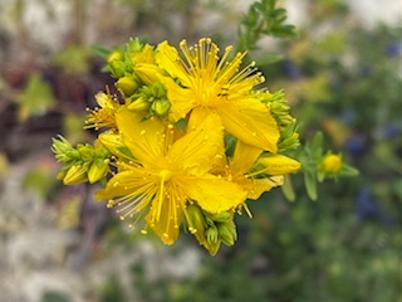
Its nectar-rich, bright yellow blooms provide a vital summer food source for bees, butterflies and hoverflies. The open star-shaped flowers provide easily accessible pollen and nectar for honeybees, bumblebees and various solitary bees from June through September.
Toadflax, Common (Linaria vulgaris)
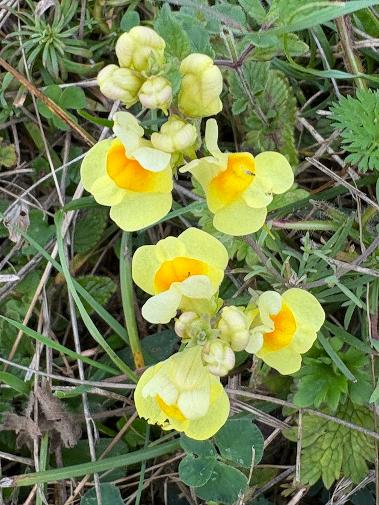
Toadflax is the main host plant for the caterpillars of the Toadflax Pug Moth and the caterpillars of the Toadflax Brocade and Marbled Clover moths also feed on its leaves and flowers. Dozens of specialised invertebrate species also rely on this plant, including the nationally scarce Toadflax Leaf Beetle and the Toadflax Seedhead Weevil.
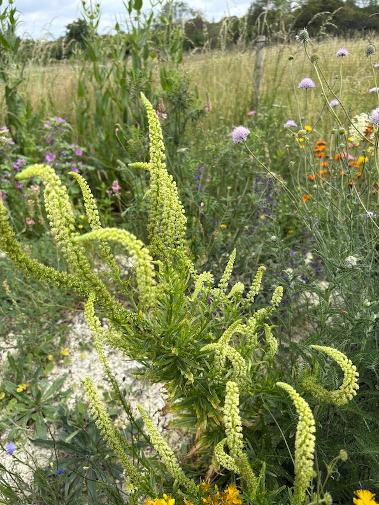
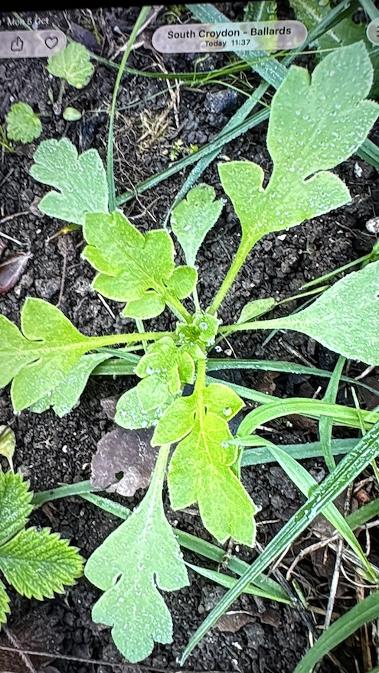
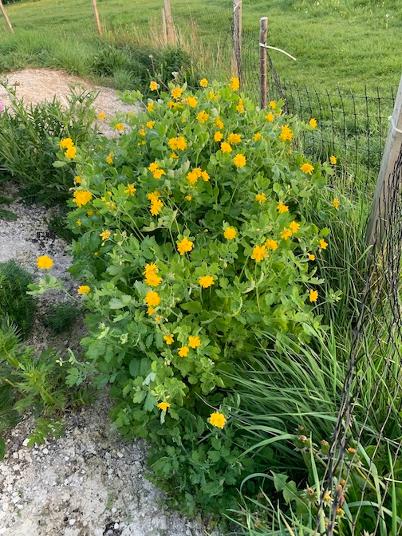
Like other poppies, the Welsh Poppy does not produce nectar but its open, bowl-shaped yellow and orange flowers offer a generous supply of pollen and an easy landing pad for bumblebees, honeybees, solitary mining bees and hoverflies. It has a long flowering season (typically May to August) so supports pollinators during a large portion of their active season.