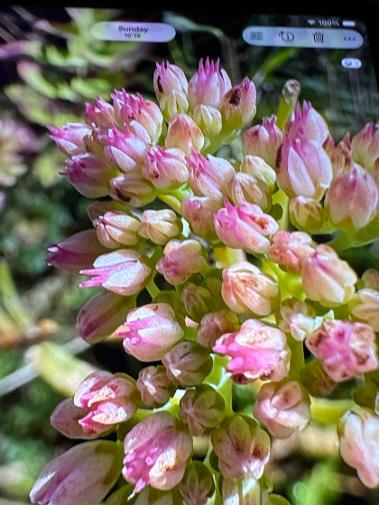
Centaury (Centaurium erythraea)
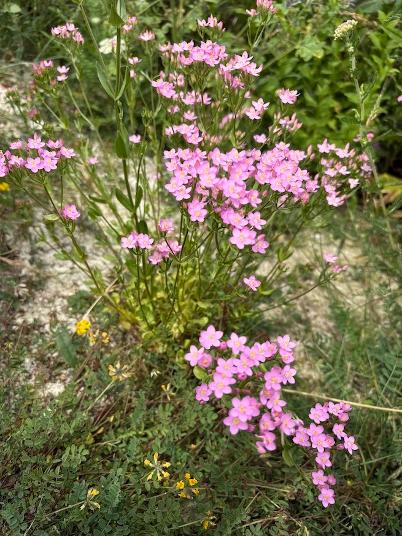
Its long-flowering clusters of small star-shaped pink flowers provide a reliable nectar source for a range of insects, especially butterflies, solitary bees and hoverflies from June to September. Its flowers close in wet weather to protect their pollen from being washed away. The blooms only open fully in bright sunshine and tend to close entirely by the afternoon or early evening.
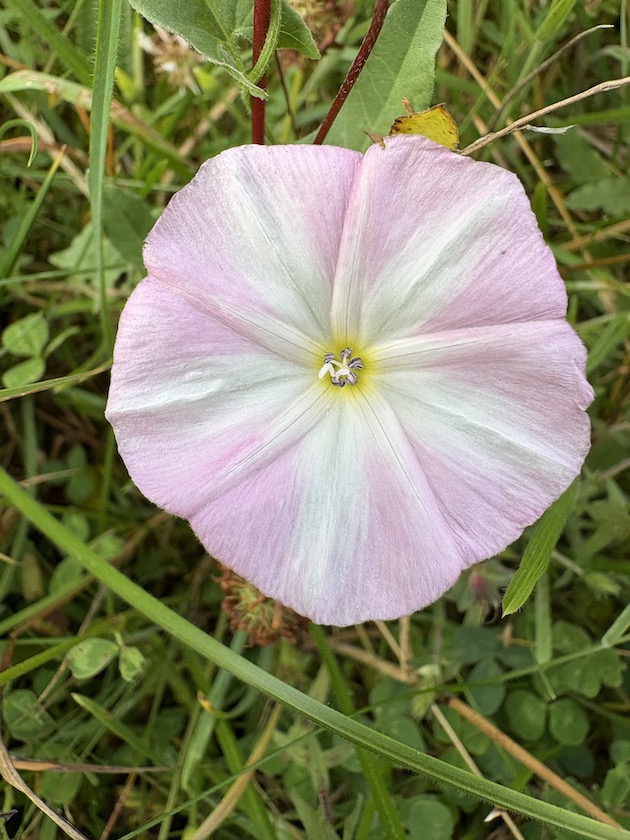
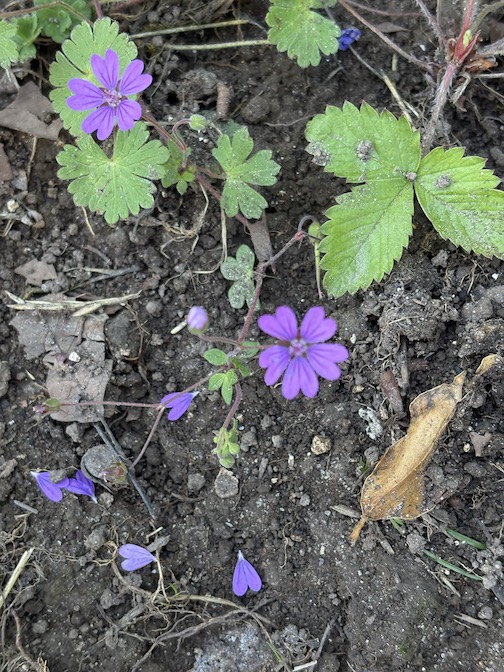
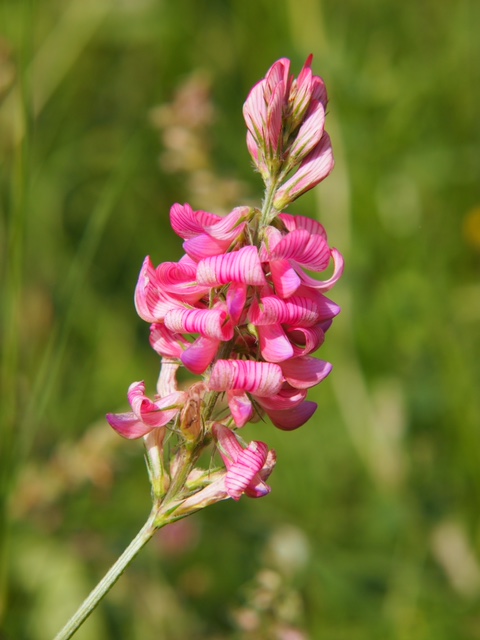
Sainfoin produces beautiful pink-red flowers that bloom over an extended period (from May to September) providing a reliable nectar source for both short and long-tongued bumblebees, honeybees and butterflies. It produces more nectar and honey than almost any other legume making it a vital plant for maintaining threatened wild bee populations.
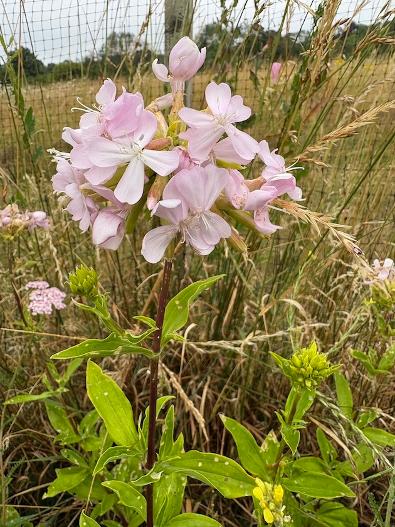
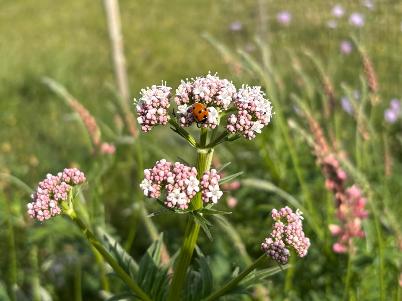
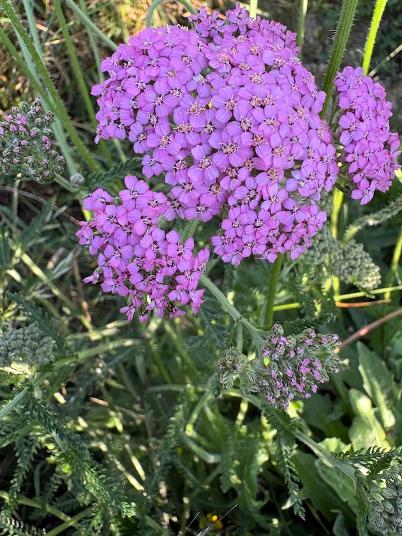
Pink or white flowers. Because it blooms across an exceptionally long season, from early Summer till late Autumn and supports over a hundred different insect species it is an immensely valuable food source. Its flat- topped flower clusters act as an accessible landing platform and so are highly attractive to short- tongued insects that struggle with deep flowers, such as hoverflies, solitary bees and beetles. The feathery leaves are a primary food source for the larvae of various lepidoptera including the Large Skipper butterfly and the Belted Beauty moth. Yarrow is famously favoured by ladybirds, lacewings and predatory wasps. These insects feed on the pollen and nectar before hunting common garden pests like aphids.